
The past ten years brought a wave of technological ideas that moved from research labs into everyday life. Some arrived quietly, while others quickly gained global attention. What unites them is their lasting influence on how people communicate, work, and manage daily tasks. Many of these inventions rely on advances in computing power, data analysis, and connectivity. As devices became smaller and networks faster, developers found new ways to combine hardware and software into tools that solve real problems. The result is a set of innovations that now shape industries ranging from transportation to education.
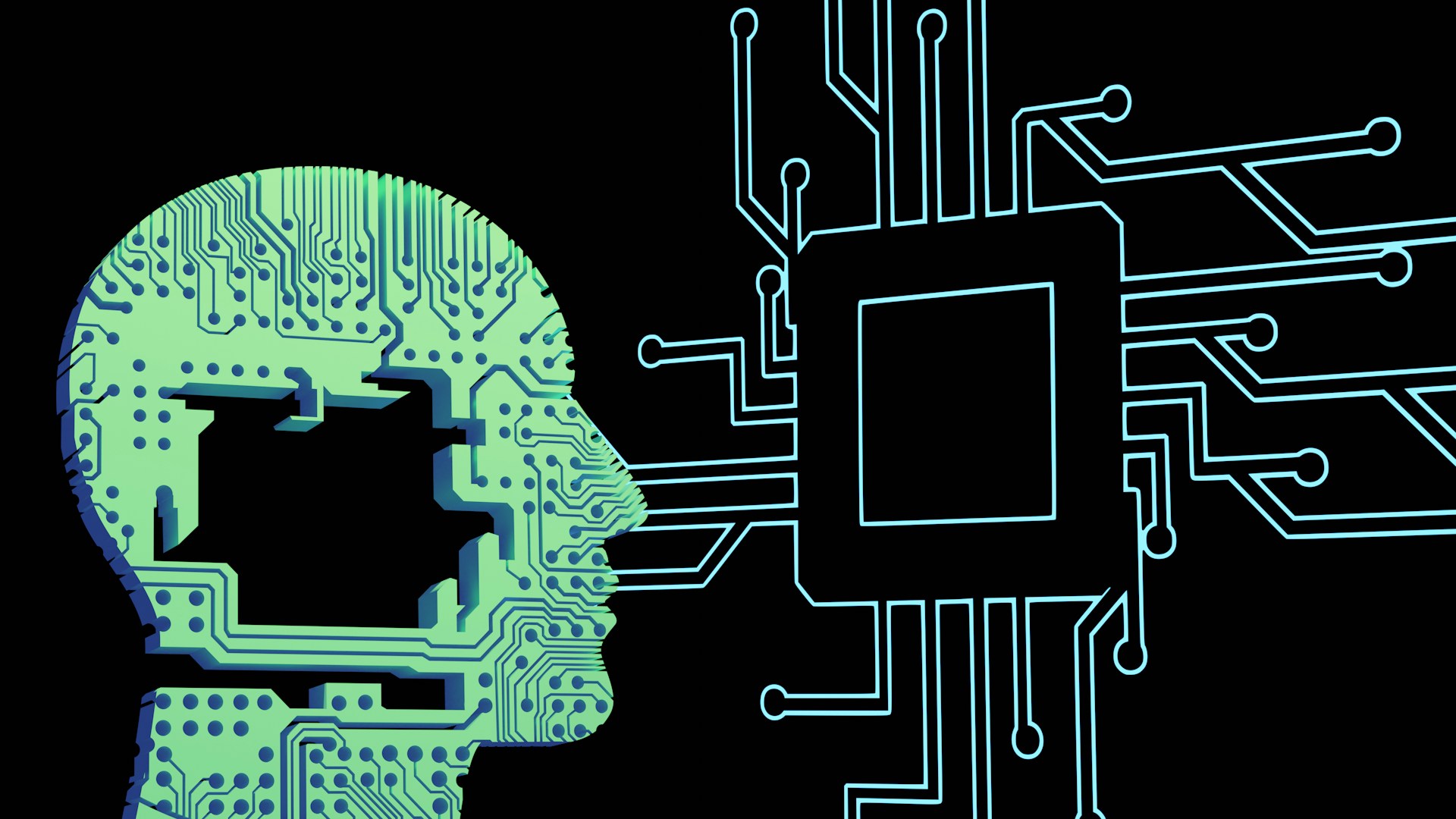
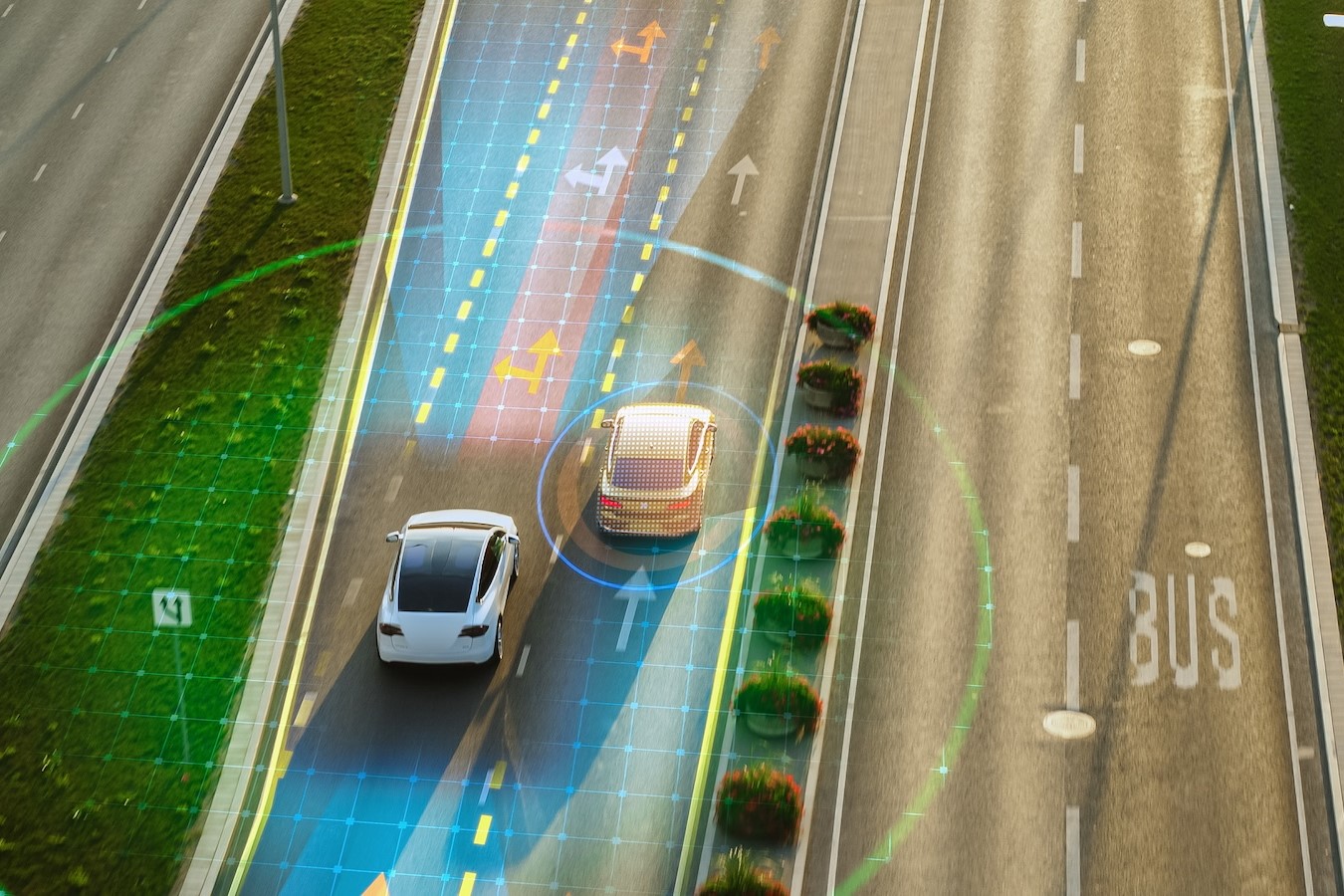
Artificial intelligence stands near the center of this transformation. Machine learning systems analyze vast data sets and detect patterns that once required human effort. Businesses use these systems to forecast demand, improve logistics, and support customer services. At the same time, voice assistants and translation tools rely on similar methods to process speech and language. Their presence in phones, vehicles, and home devices shows how quickly AI moved from academic research into daily use. Improvements in specialized chips made these systems faster and more energy efficient.
Another invention that reshaped daily routines is the rise of affordable smart devices connected through the internet. Smart speakers, lighting systems, and security cameras allow households to monitor and adjust their environment through simple mobile apps. In workplaces, connected sensors track equipment performance and reduce downtime. This network of devices, often called the Internet of Things, collects real-time information and helps automate routine tasks. The impact may appear subtle, yet it steadily changes how buildings, factories, and homes operate.
Biotechnology also experienced major progress. Techniques such as gene editing expanded scientific understanding of diseases and biological processes. Researchers gained tools to modify DNA with greater accuracy than before. While the long-term effects are still studied, these developments opened new possibilities in medicine and agriculture. Together with advances in computing and materials science, they form a group of inventions that define the technological landscape of the last decade.


Leave a Reply