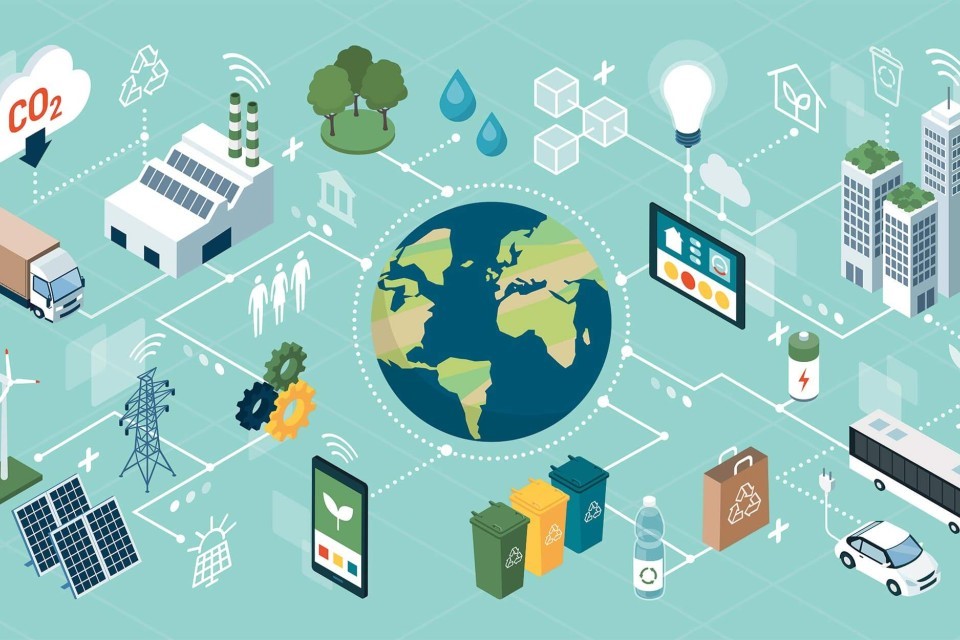
Efforts to address climate change increasingly rely on technological progress. Scientists and engineers study ways to reduce greenhouse gas emissions while maintaining modern infrastructure. Many of these solutions involve cleaner energy systems, improved industrial processes, and better environmental monitoring tools. Technology alone cannot solve environmental challenges, yet it provides practical tools that support broader policy and conservation strategies.
Renewable energy systems represent one of the most visible developments. Solar panels and wind turbines now supply electricity to millions of homes and businesses around the world. Advances in materials science improved efficiency and lowered manufacturing costs. As a result, renewable energy installations continue to expand in both developed and emerging economies. These systems reduce dependence on fossil fuels and help diversify national energy supplies.
Energy storage technology supports this transition. Batteries and grid-scale storage facilities allow electricity produced during sunny or windy conditions to be used later. Engineers are exploring new battery chemistries that increase storage capacity and lifespan. Reliable storage helps stabilize electricity networks that rely on variable renewable sources. This stability becomes increasingly important as clean energy systems grow.
Technology also supports environmental monitoring. Satellites track deforestation, ocean temperatures, and atmospheric carbon levels. Researchers analyze these datasets to understand environmental changes and guide conservation efforts. Digital mapping tools help governments and organizations identify regions at risk from rising sea levels or extreme weather. Through measurement, analysis, and innovation, technology contributes valuable tools for managing environmental change.




Leave a Reply