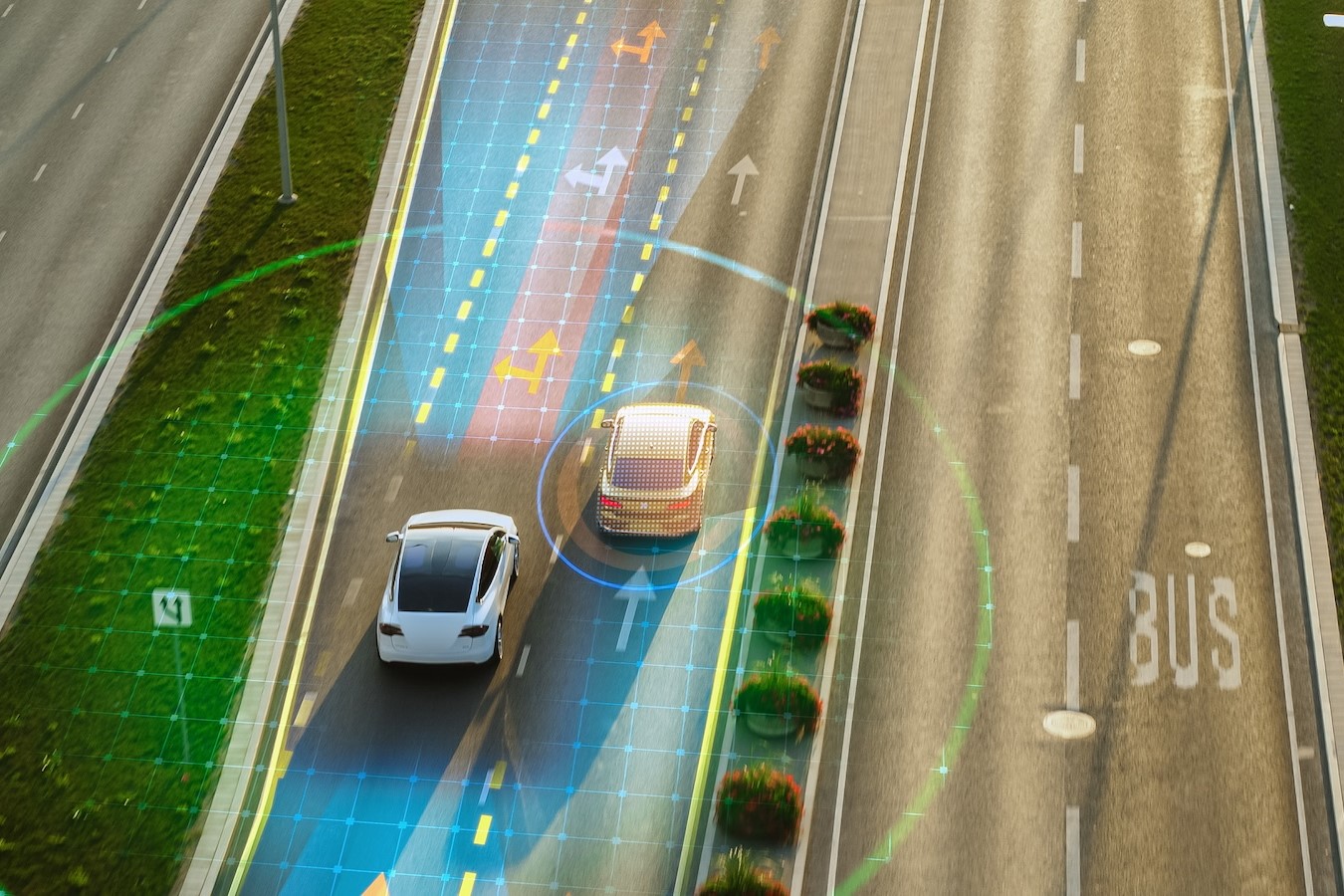
Self-driving vehicles represent one of the most ambitious goals in modern transportation technology. Engineers aim to build cars capable of navigating roads without direct human control. Achieving this requires a combination of sensors, artificial intelligence, and real-time decision systems that allow vehicles to interpret their surroundings and respond safely to changing conditions.
A self-driving car relies on multiple sensor types working together. Cameras capture visual information similar to human eyesight, while radar systems measure the distance and speed of nearby objects. Many autonomous vehicles also use lidar sensors that emit laser pulses to create detailed three-dimensional maps of the environment. By combining data from these sensors, the vehicle constructs a constantly updated representation of the road, nearby vehicles, pedestrians, and obstacles.
Artificial intelligence processes this information to make driving decisions. Machine learning models analyze patterns from vast amounts of training data collected during road testing. These models help the vehicle recognize traffic signs, lane markings, and complex situations such as busy intersections. The system then calculates possible actions, such as slowing down, changing lanes, or stopping completely.
Navigation software guides the overall journey. High-resolution maps provide information about road layouts, speed limits, and intersections. Combined with GPS and sensor input, the vehicle can determine its precise position and plan a route toward its destination. Although fully autonomous driving is still under development in many regions, the technology continues to improve as sensors, computing power, and software algorithms advance.


Leave a Reply