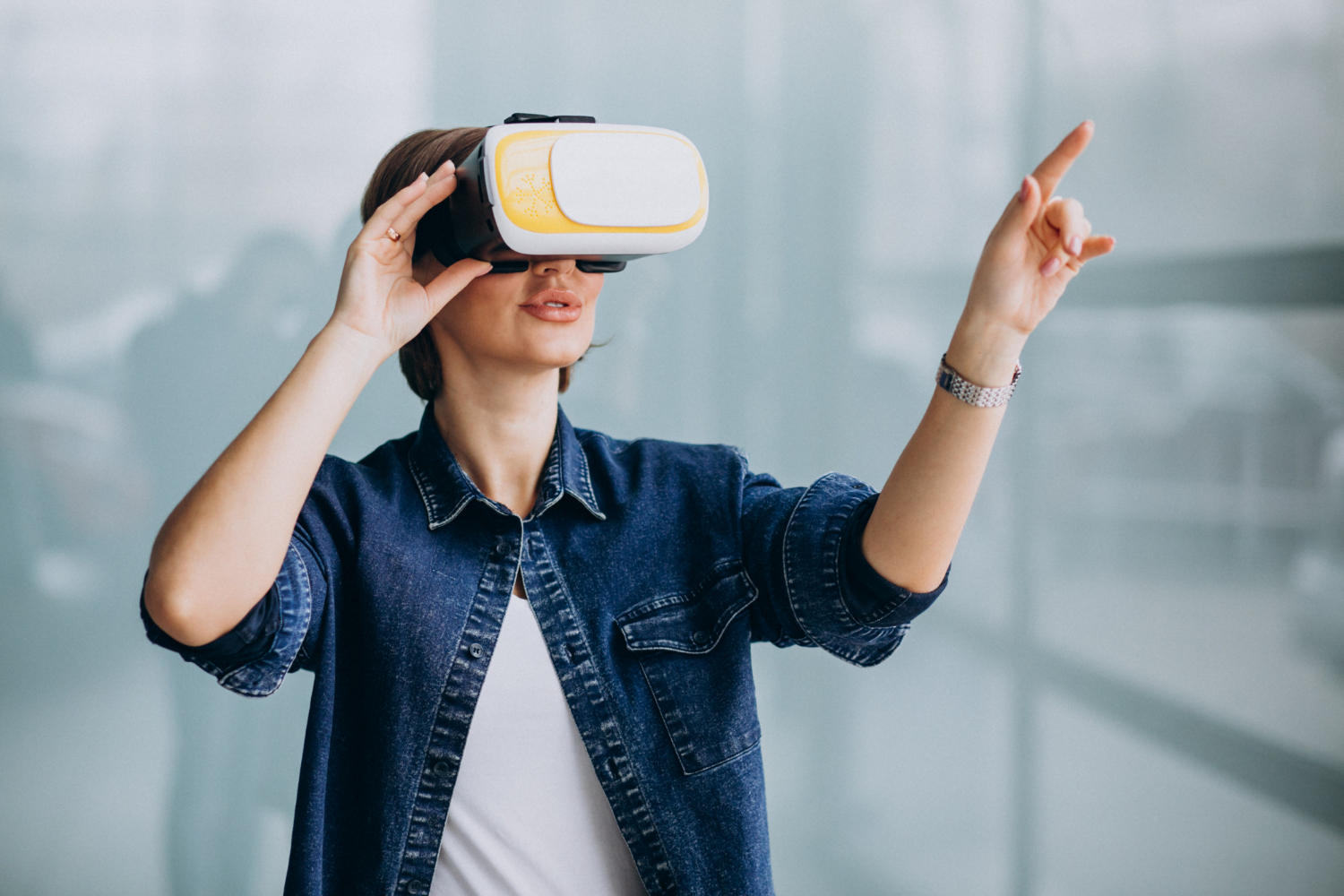
Augmented reality blends digital graphics with the physical environment. Instead of replacing the real world, it overlays digital information onto what a person already sees. Early versions appeared in experimental headsets and research labs. Today, AR features are built into smartphones and tablets, allowing millions of people to experience the technology without specialized equipment.
Mobile applications use the phone camera and sensors to map the surrounding space. Software identifies surfaces such as floors, tables, or walls. Digital objects can then appear anchored within that environment on the screen. Retail applications allow customers to preview furniture inside their homes, while educational apps display interactive models of historical artifacts or scientific concepts.
Industrial sectors have also adopted augmented reality for training and maintenance. Technicians wearing AR headsets can view instructions directly within their field of vision. When working on complex machinery, digital diagrams highlight components that require attention. This approach reduces the need to consult printed manuals and helps workers complete tasks more efficiently.
As hardware improves, AR experiences become more natural and immersive. Developers continue experimenting with lightweight headsets and advanced spatial mapping systems. These tools may eventually integrate with navigation, education, and workplace collaboration. Augmented reality is gradually moving from novelty to practical tool, blending digital information with the everyday physical environment.



Leave a Reply